_edited.png)
How Modern Movies Lost The Magic Found in Classic Films


Has anyone else noticed that classic movies feel so different in 2025? It is not just nostalgia, although memories certainly play a role. The difference runs much deeper. It is the magic of cinema itself that today feels almost entirely lost.
When we look at modern icons like Princess Catherine, we get a faint glimpse of that larger-than-life quality. She embodies grace, poise, and a public presence that feels rare. Yet outside of her, few women in our cultural imagination capture what once seemed common in the era of classic film. Grace Kelly remains one of the most enduring examples. Both on screen and as real royalty, she embodied elegance, femininity, and mystery in a way that continues to captivate. Her story raises a larger conversation: why do the movies she starred in still feel breathtaking in 2025, especially compared to the CGI-saturated blockbusters that dominate today’s screens?
There are several reasons. They go beyond nostalgia and speak to the heart of what makes art beautiful.

Grace Kelly was not just another actress of her time. She was an icon who seemed to exist on a different plane. Watch her in Rear Window or High Society , and you see more than a performance, but an ideal of womanhood that is intelligent, refined, and deeply feminine. She never tried to mimic masculine power on screen. Instead, she was captivating by leaning into femininity itself—poised, elegant, and magnetic.
When she left Hollywood to marry Prince Rainier of Monaco, that same aura followed her into her royal role. She became a living reminder of what movies once offered: stars who embodied ideals that people could aspire to. Grace Kelly helps us remember that classic films were not just entertainment, but windows into beauty, elegance, and cultural aspiration.
The Power of Music
One of the most striking differences between classic films and contemporary movies is also the music. Classic films relied on full orchestras with real musicians sitting in recording studios playing every note, and their work gave films an unmistakable humanity.
Think of the sweeping score in Gone with the Wind or the melodies of Casablanca. Those themes were not background fillers, but they carried the emotion of the story and became inseparable from the viewing experience. When you hear those melodies today, the stories rise back to mind instantly.
Compare that to many modern soundtracks, which rely heavily on digital tools. They may be technically perfect, but they often fade into the background rather than lift the story. The result is that one moves your soul, while the other simply fills silence. Think for a moment about your favorite score from the recent Avengers movie... completely unmemorable.

Before CGI, filmmakers created illusions through tangible craft. They built intricate sets, hand-painted the backdrops, and staged practical effects. Think of the scene in North by Northwest where Cary Grant outruns the crop-duster, or the hand-painted mural depicting the New York skyline in Rear Window. These moments hold a significant weight.
By contrast, today’s movies can create anything with green screens and digital rendering. Paradoxically, that freedom has dulled the magic. CGI can be impressive and take effort to generate, but it often looks more sterile than inspiring. Even when the effect is realistic, it rarely stirs the imagination like a hand-painted backdrop or a carefully constructed miniature. What we lose in imperfection, we also lose in humanity.

Another reason classic films feel so different is the stature of their stars. Cary Grant did not just play charming men but embodied an entire archetype of masculine elegance. Audrey Hepburn was not just stylish, but she also became the very definition of grace for generations. Humphrey Bogart was not only a tough man on screen but a cultural monument of wit and resilience.
These stars carried a mystery that's profoundly lost in 2025. They were not available on every platform (although the best were triple threats), nor did they reveal every detail of their private lives. That distance created a sense of reverence, and they were admired because they were rare, not because they were accessible.
In contrast, today’s stars may be talented (or have a large following), but they live in an age of oversharing. Social media has pulled back the curtain, making them more human but less transcendent. When everyone is constantly available, it becomes difficult to maintain that sense of awe.

Classic films also assumed a more educated audience. Writers and directors wove in references to Shakespeare, mythology, and Scripture, and they did not stop to explain every detail. They expected viewers to follow along or catch up. That trust created a richer cultural conversation, connecting back to the timeless tales.
By contrast, modern blockbusters often spell out everything, fearful of losing attention. Plots are simplified, dialogue is stripped down, and cultural references are kept shallow. In trying to reach everyone, much of the depth has been lost. Classic films remind us that audiences are capable of more than studios sometimes assume.
Classic films also carried moral clarity; heroes were good and villains were corrupt. The stories celebrated courage, sacrifice, and virtue. Think of George Bailey in It’s a Wonderful Life (see our take on his wife, Mary, as a prime example of Classical Femininity). These stories did not blur lines but reminded audiences that morality matters.
Today’s films are often preoccupied with shades of gray and antiheroes without justice. While this complexity can be interesting, it rarely inspires. Scarlett O'Hara was the ultimate anti-hero, and she, too, was left with the consequences of her actions. Today, in a world already confused about Truth, something is refreshing about stories that unapologetically proclaim that good is good and evil is evil.
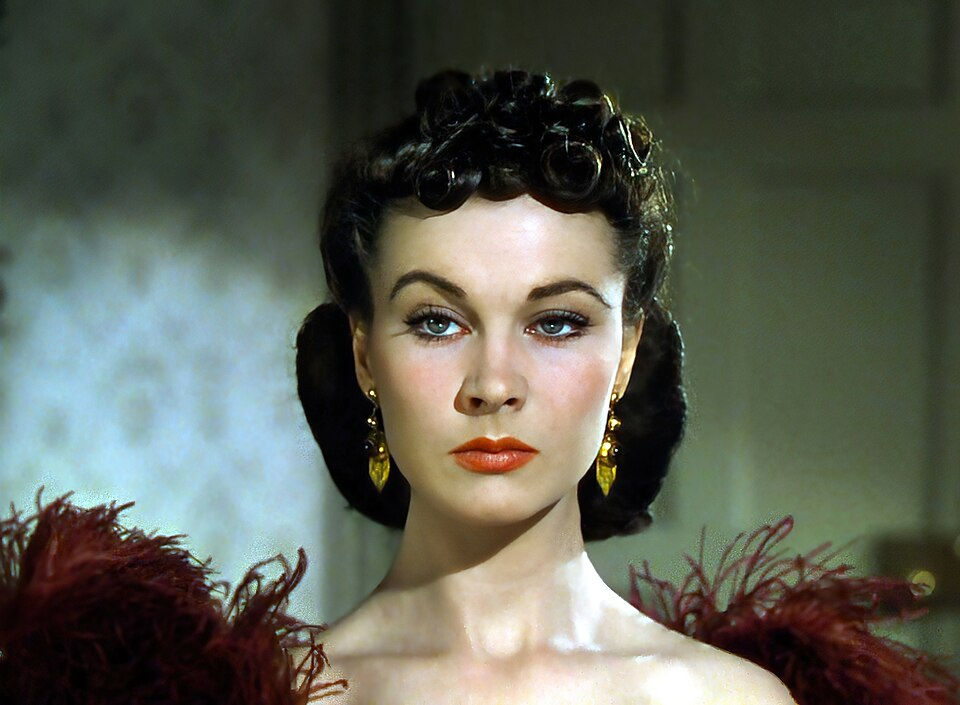
One of the most powerful differences lies in how women were portrayed. In classic films, women were strong without denying their femininity. Katharine Hepburn’s sharp wit, Ingrid Bergman’s quiet resilience, and Audrey Hepburn’s luminous innocence all revealed that femininity itself was powerful.
Grace Kelly, again, embodied this truth. She did not need to out-fight or out-shout men. Her influence came from her refinement, her presence, and her feminine strength. These portrayals permitted women to see their femininity not as a weakness, but as a profound source of power.
By contrast, much of modern cinema measures female heroism by how well women can imitate men. Strength becomes synonymous with aggression or domination, and what we lose in this exchange is the celebration of the unique richness of womanhood.

So why revisit these films in 2025? Because they remind us of what art is meant to be. Classic movies point us to bigger themes of humanity. They reveal beauty, truth, and goodness in ways that inspire us to aim higher and celebrate human talent. In a world oversaturated with content, much now found with AI, these movies feel like a return to clarity.
They show us the value of craftsmanship and reveal what mystery adds to culture. They encourage us to see femininity not as something to discard but as something to embrace and remind us that moral clarity is not outdated, but essential.
Grace Kelly proved that elegance could shape not only Hollywood but also history. Classic films continue to prove that true storytelling is not about bigger explosions or sharper graphics, but about artistry, virtue, and the human soul.
This is why classic movies still take our breath away, decades after they first premiered. They endure because they were built on something deeper than spectacle. These films trusted audiences, celebrated virtue, and invited us to admire beauty in its truest sense. In returning to them, we recover something we did not realize we had lost.


Comments